

Tired, Dehydrated & Overstimulated: LFW Recollections
Survived LFW exhausted, but excited. Here are some things I experienced as my social (and phone) battery was dying.

My body: hungry and dehydrated. My mind: running on overdrive, remembering another new task every ten minutes. My bag: heavy with the weight of a camera, a ring light, mics, and a candy bar meant to sustain me. My stomach: rumbling (it was not a good candy bar). Another successful London Fashion Week.
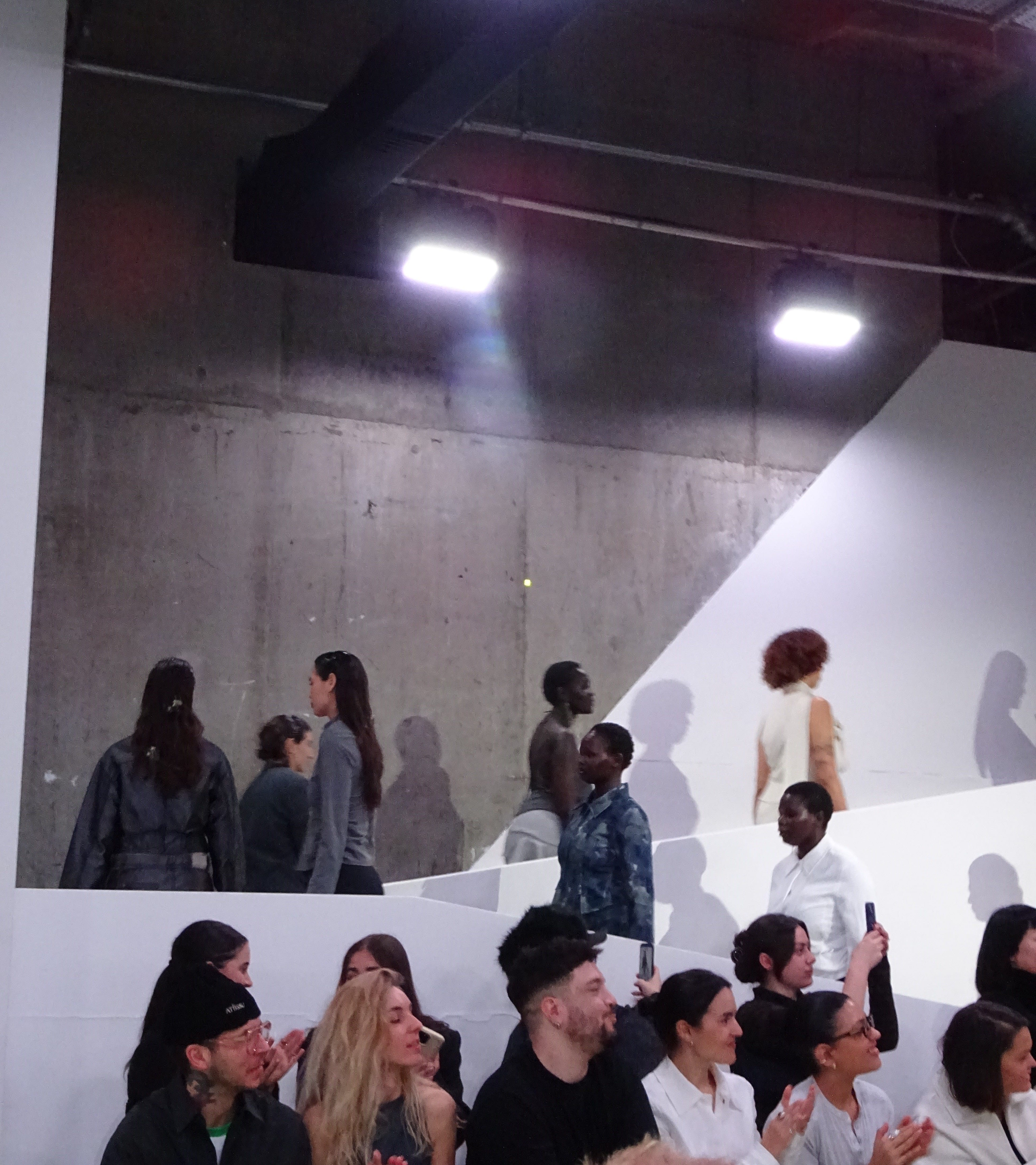
Up until two years ago, when I first immersed myself in the world of catwalks and presentations, I would watch people attend FW and think, wow, so glamorous. Lol, okay, silly me. Maybe to someone who gets invited to three high-fashion shows, gets a look sent by designers, and has a Vogue video made about the whole experience, it’s pretty glamorous. But for me, hustling to get invites to shows, phone always out to get that good angle and fighting for quotes from designers to get the content to stand out a little bit, it’s work. But that work feels good.
This is MKH’s third LFW, and things are beginning to feel a bit more comfortable. Going to shows alone stopped being a humiliation ritual, ridden with fear and anxiety, and became a good networking opportunity. The passes to the shows, although still limited, are beginning to grow. And I feel so honoured by every one of them. I know I have to do them justice.
I fear it might become unsustainable pretty soon, though. Why? Let me explain.
For each show MKH attends, we write a very long, detailed caption that comments on the collection, presentation, and overall vibe of the show. When we only got access to one show a day, that shit was easy. Go to the show, edit the content, and spend some time on the caption. As we get bigger, the speed with which we put stuff out also needs to increase. Don’t get me wrong, I love it, and I will continue doing it. Even if it means I am standing in the middle of 180 for thirty minutes typing away before impressions of the show in my head are replaced by other intrusive thoughts.
I will try to switch up the way I write these captions every time, though. I don’t want anyone, including myself, to get bored with this.
Onto other thoughts.
I could break down the designs I saw into two main categories: “cool, I’d love to wear this” and “interesting, not for me, but interesting”. Well, there’s a secret third one titled “what the actual fuck was this”, but we won’t get into that.
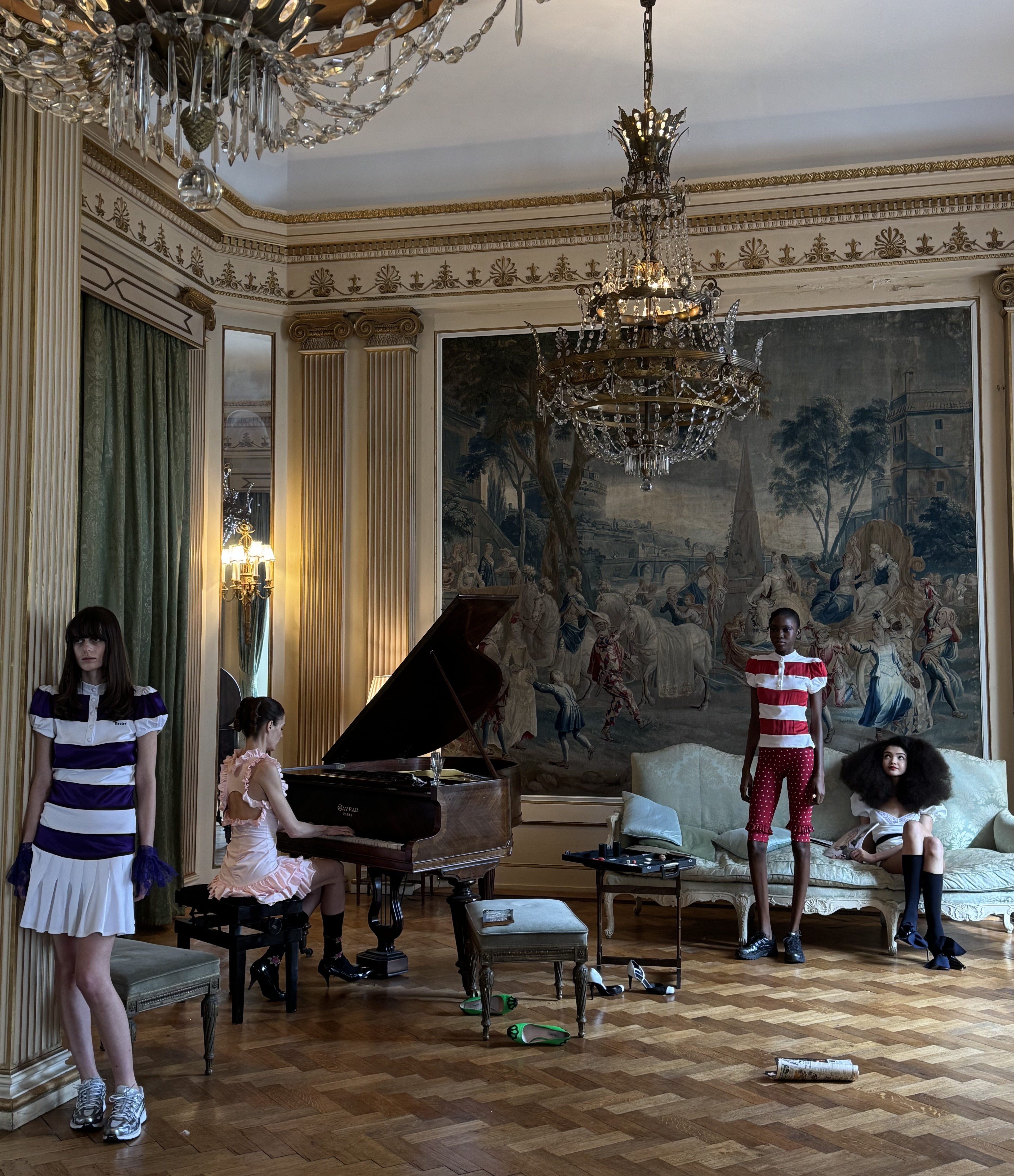
I think this LFW really utilised the models showcasing the collections. They weren’t just moving slowly down a runway; they were existing. It felt like every designer wanted to highlight how their clothes can be wearable. They are made to exist, to live a life in, to style and play around with. It also gave me the impression that, more than ever, designers want to immerse consumers in their world. They contextualise their work by giving the models very specific tasks: controlled movements, choreographed dances, specific facial expressions and scripted interactions. Of course, at the core of it all is performance. If it’s not controlled and a little staged, the message risks getting lost. But that doesn’t really matter, since, if done right, we, as the audience, forget the performative aspect of it all and just watch. It’s clothes and theatre.
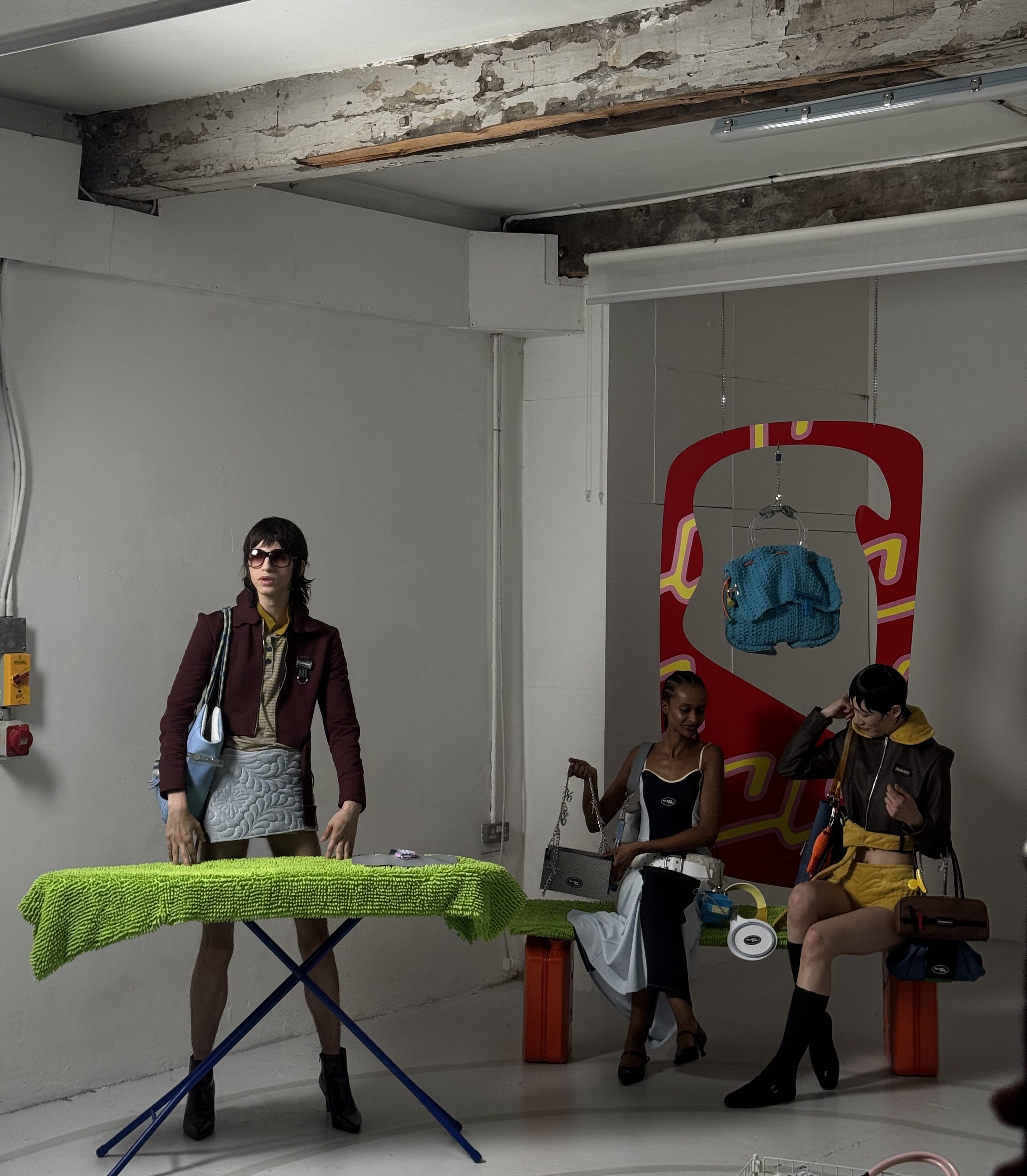
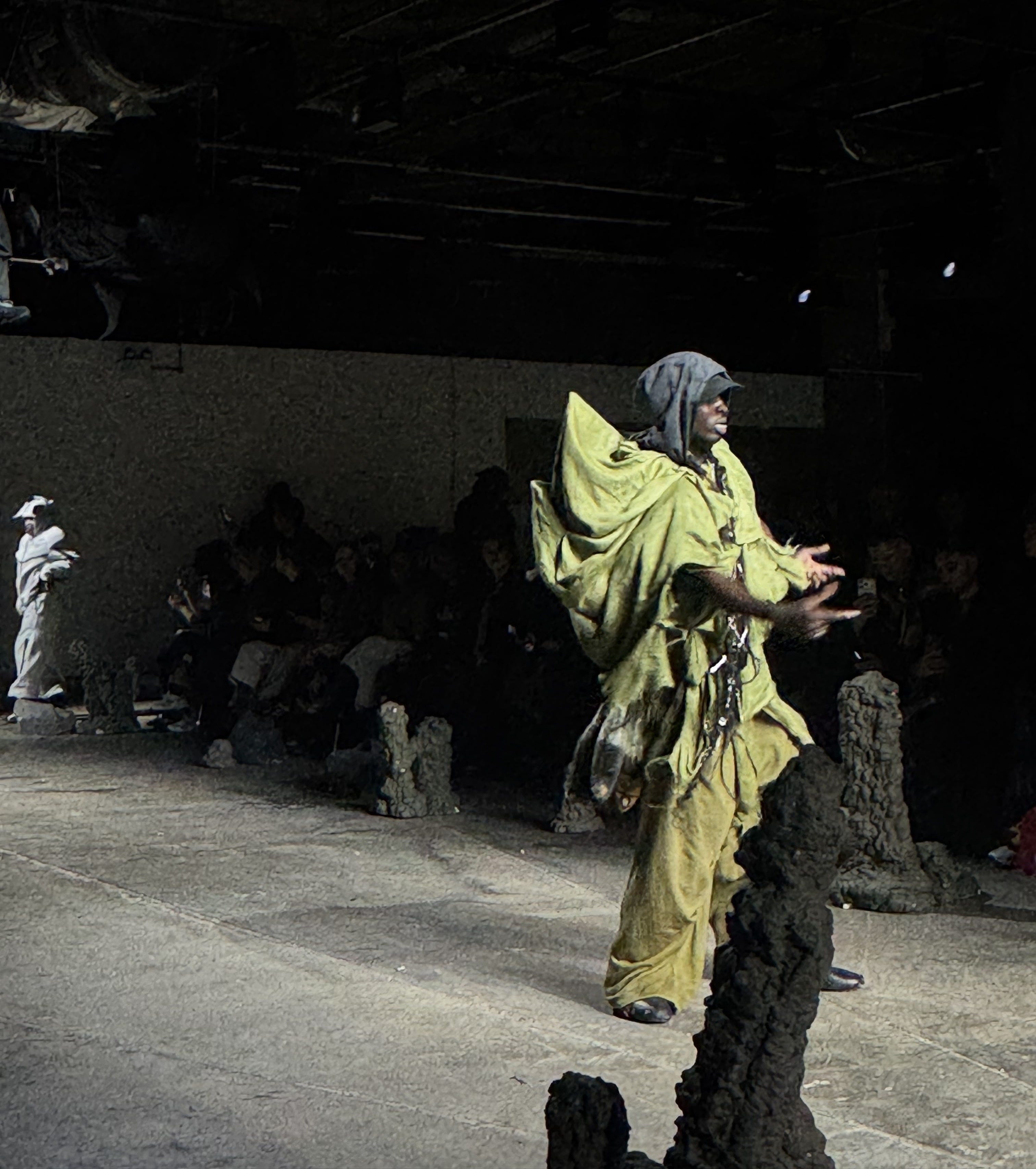
The models at the Clara Chu presentation hissed at the audience, moved around and played with the accessories. The Lucila Safdie presentation, set against a beautiful backdrop, had the models looking unbothered and even slightly bored. Octi models contorted in a dystopian dance to echoes mixed live on the spot by a sound engineer. Rafael Azevedo featured a dance performance as part of the show. And then, of course, there’s Yaku. If there is ever a designer whose shows I can ramble on for hours, it’s Yaku. Show after show, he continues the mystical family lore, adding layer after layer to both the storyline and the presentation. Whatever high-level performance energy everyone was on this season, Yaku has been on it for years.
In the wake of last fashion month, I rambled about the lack of storytelling on the runway. It seems after each fashion month, I have one main lingering question making a home in my brain. A year ago, it was: "Does fashion need independence to be original?” Short answer: In some cases, yes. Last season, it was: “Has storytelling left the runway?” Short answer: Mostly, also yes.
This time around, storytelling made its way back to the fashion scene. Natasha Zinko’s FW26 “Family Bizness” collection told a very wholesome, creative story of an eccentric family. Each individual look represented a very specific character, but they weren’t just archetypes, like you often see, they were real people, people you see on the street, or share a table with at a family dinner. It was a mix of her experiences and modern representations of fashion identities. To be honest, I was never a fan of the brand. Even when I enjoyed some of the things they did, the designs mostly fell into the “interesting, not for me, but interesting” category. So I was slightly surprised that she, out of all the designers, told one of the best stories of LFW. But such is the nature of fashion, a designer can confuse you one day and send you into a gleeful hysteria the next.
Another storyteller of LFW I must mention is MYAT. With her AW26 show “Antechamber”, she gave me a moment that literally took my breath away. Her story was structured differently. The looks on the runway were part of it, sure, but it was the model, encased in a sugar glass box, struggling to get out, that was the main character of the collection. As the show came to a close, she broke the glass and walked the runway at last. The model breaking the glass, struggling, falling, getting up to try again, made my heart skip a beat. I couldn’t look away. Once again, the model did an amazing job. It was truly theatre.
* I am really glad the brands are utilising the models in this way. It really showcases their rage and gives them a chance to enjoy some play. And it gives us a chance to watch a true show.
All this talk of storytelling, no matter how glad I am to see her back in action, has led me to this LFW’s lingering question: “Does a show need to be a full production in order to be memorable and comprehensive?”
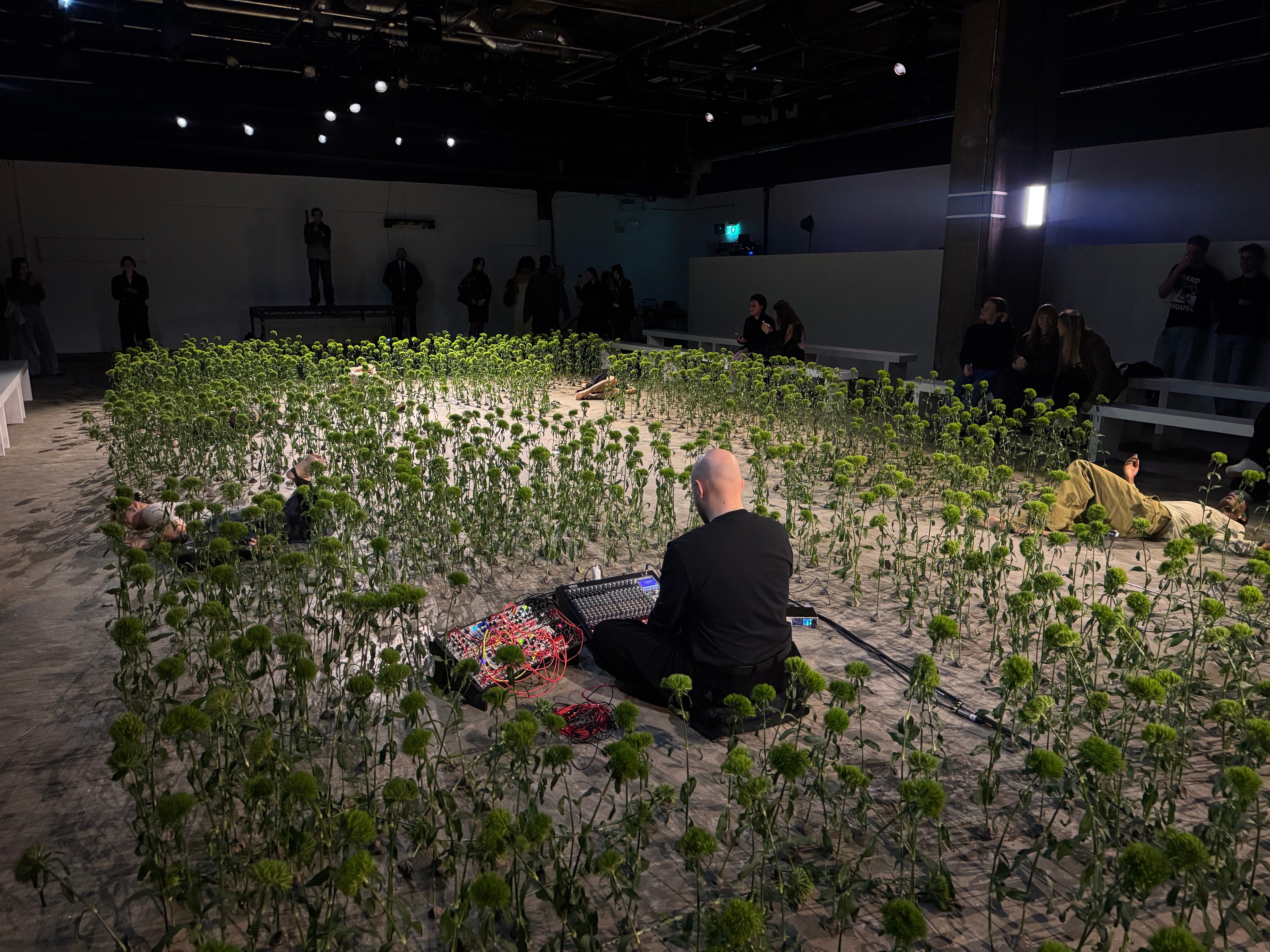
During the Octi presentation, we noted one thing: many shows have turned into presentations. These presentations, usually based on a strong concept or idea, involved music, movement and storyline. They also required deep audience engagement. Octi displayed jewellery in movement by exploring the relationship between natural elements. The Ouze showcased their AW26 collection, “The Process is the Point” by contrasting the jewellery against wax moulds, music sheets, and a live performance. Both shows were incredible, both took different approaches to presenting, yet both required the guests to immerse themselves in the world before discovering the actual collection.
As a big fan of all things immersive, I was ecstatic. I was also completely stimulated from start to end, which is always a good sign. But that part of my brain that wants to attach hidden meaning to anything and everything, though: “Do runway shows not cut it anymore?”
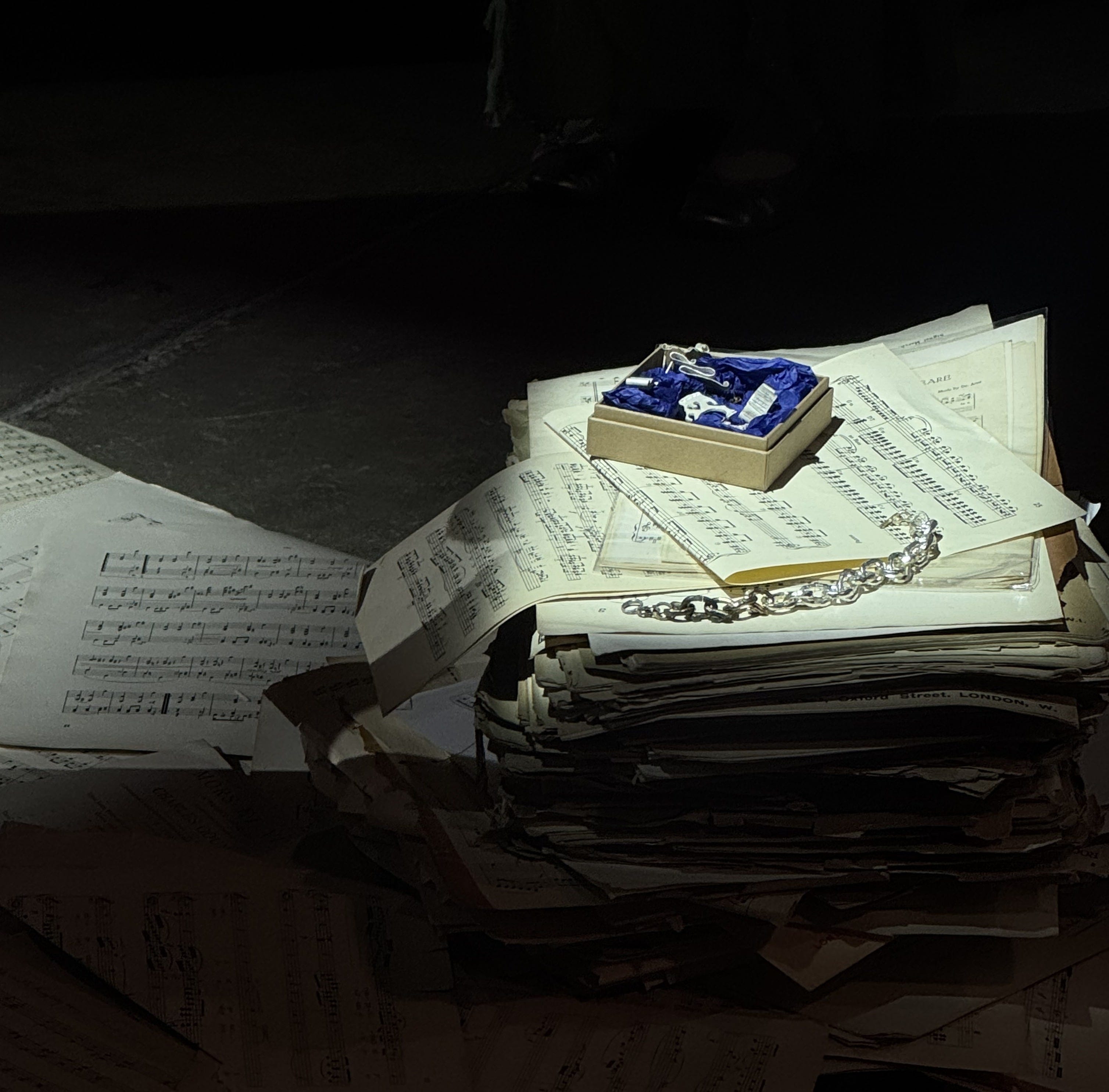
Is it because everyone has finally realised that in order to present the full range of the designs, they have to exist in a carefully planned and well-executed context? It is because designers want to introduce the audience to their world, their mythology? Is it because the philosophical and theatrical aspects of fashion are making their way into the mainstream? Maybe all of the above. But also, like a lot of things today, is it a media literacy issue?
Brands want to tell the full story because they don’t want to risk being misunderstood or not understood at all. The public nowadays, it seems, likes to be spoon-fed references and contexts. We can’t look at the clothes, let them speak for themselves, catch subtle nods to other practices and create a world around them based on both the designs themselves and our own experiences with them. Maybe that’s why we are now given full character arcs. If we are not, we are simply not willing to explore and… hmm.. think.
This also made me realise that the brands we get most attached to are the ones with a big bag of lore behind them. They don’t only produce clothes, they promote an existence, an experience, they tell tales. We, as consumers, want to be a part of those tales. We see the shows and get attached to the characters; we want to embody them. Therefore, presentations need to create a dimension occupied by the brand, rather than just a collection.
Nevertheless, it makes for a good show. And maybe that’s all there is, just an opportunity to put on a memorable show, display the full range of design and share what was going on in the designer’s mind as they crafted the collection. Whatever it is, it beats the disconnected, hollow looks traditionally presented, accompanied by an emotionless score. So let’s just keep doing the presentation stuff.
More than just interesting, it also gives other team members a chance to shine. It draws our attention not only to the design but also to the set, the music, the styling, the hair & makeup, the acting, and the production. And any show that gives more creatives a chance to show how fucking good they are at what they do is something I can get behind.
I will end on a pretty bittersweet note. That note, by the way, will be the only bitter or sweet thing about LFW, because THERE WAS NO FUCKING FOOD.
If there are two words that can sum up the more uncomfortable truth about the state of fashion shows today, it’s: recession and indicator, or, if you want to be cute about it, hungry and broke.
On the first day, I had no time to eat, but I was not worried. I knew I would make it to 180, where that sweet stand with hot sauce snacks and drinks will be waiting (whoever had the pleasure of trying it back in September gets it). To my surprise, there was no food, just Blank Street. Of course, free matcha is nice, but it’s no fried chicken bites.
That might be the biggest disappointment of this LFW. I feel like it also changed the vibe in the waiting area at 180 Strand a lot. Last time, the room was filled with loud conversations and laughter. This time, the room was filled with racks of clothing, and the only corner where people could sit and talk was quiet, filled with guests on their phones. I blame the lack of food.
A couple of big shows were also cancelled. Designers instead opted for private showrooms during PFW. It takes more and more money every year to put on a fashion show, and a lot of the sales come from buyers viewing the collections privately via showrooms, so it makes sense. Everyone needs to get that bag, but the bag is emptying up pretty fast.
More than anything, I hope for the financial structures behind fashion week to shift. Designers can find more elaborate ways to showcase their collection, but if those collections won’t sell and the price tag for putting together shows continues to grow, we will soon end up with a single Burberry show and maybe some free matcha.
Anyway, Fashion Week was still quite fun; the collections were cool, and it gave me a lot to contemplate, which is better than, well, not contemplating. So overall, productive.
Special Thanks:
To Eliza - for editing content at the speed of light and making MKH’s socials look so cool
To Alex - for filming some top-tier content, delivering as MKH’s fashion director and for being my LFW accomplice
To my crutch - for holding me up as I limped from show to show, still recovering from a knee surgery I had three weeks ago